

Vintage Jeep Grills Vs Modern Reproductions: Which Is Better For Your Classic Restoration?
So you're staring at your classic Jeep project, and that grill is looking pretty rough. Maybe it's got more rust holes than Swiss cheese, or perhaps someone thought chrome flames were a good idea back in '87. Either way, you're at the crossroads every Jeep restorer faces: hunt down an original vintage grill or grab a shiny new reproduction?
Look, I've been down this road more times than I can count, and trust me - there's no simple answer. It all comes down to what you want from your build and how deep your pockets are willing to go. Let's break this down proper style.
The Real Deal: Vintage Original Grills
There's something magical about holding an original piece of Jeep history in your hands. Those authentic grills carry the actual DNA of their era - every tool mark, every manufacturing stamp, every bit of character that rolled off the factory floor decades ago.
What Makes Vintage Grills Special
Original grills from the WWII era and early civilian models were built like tanks. We're talking thick steel construction that was designed to take a beating and keep on going. The manufacturing was straightforward but bulletproof - no fancy computer-aided anything, just solid engineering focused on getting the job done.
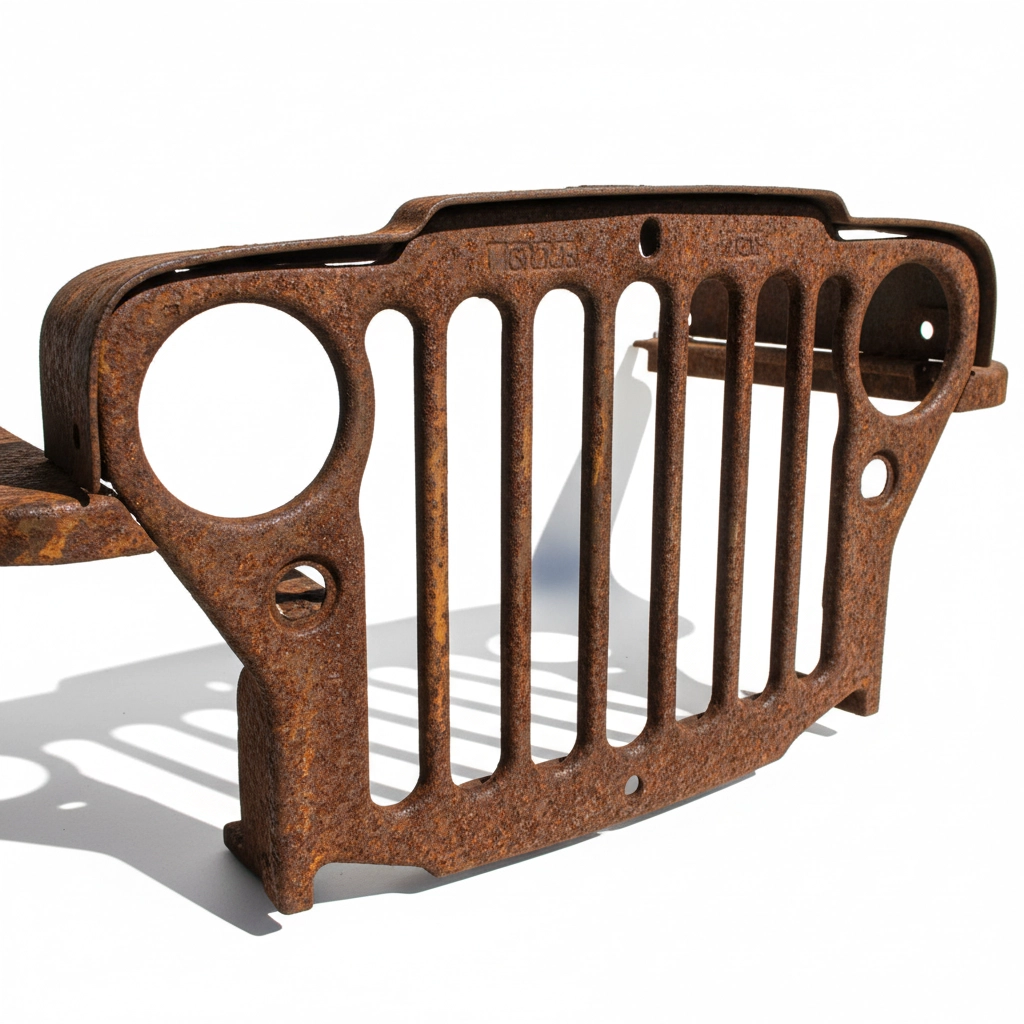
The authenticity factor is massive here. When you're working on a numbers-matching restoration or something destined for a concours show, nothing beats the real McCoy. These pieces have provenance - they've got stories to tell and scars to prove it.
The Good Stuff
- Authenticity that can't be faked: Period-correct materials and manufacturing techniques mean your Jeep maintains its historical integrity
- Investment potential: Original parts often appreciate in value, especially rare pieces from military models
- That special patina: The natural aging and wear patterns give character you simply can't reproduce
- Perfect weight and balance: Original engineers knew what they were doing with weight distribution
The Reality Check
But here's where things get tricky. Finding good original grills is like hunting unicorns. They're out there, but you'll pay through the nose when you find one. And half the time, what you find needs serious restoration work itself.
The scarcity is real - especially for the rarer models. Try finding an original grill for a '48 Willys truck in decent condition without selling a kidney. Good luck with that one.
Rust is the eternal enemy too. Those original steel grills were built tough, but decades of weather and neglect take their toll. You might score what looks like a decent piece only to discover it's held together by primer and good intentions.
Modern Reproductions: The New School Answer
Now, before the purists start throwing wrenches, hear me out on reproductions. Today's manufacturing tech is seriously impressive, and some of these repro grills are actually better than the originals in terms of materials and finish quality.
Modern Manufacturing Magic
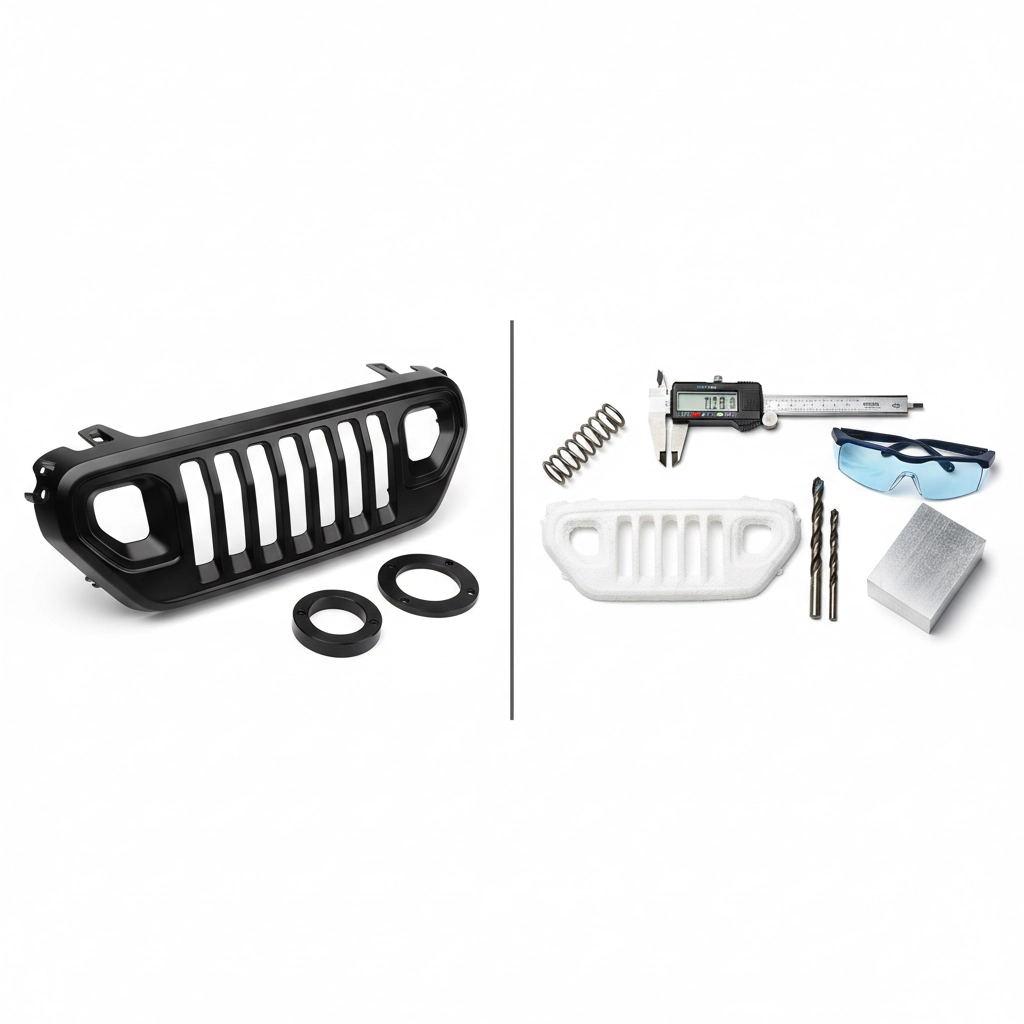
We're talking CNC machining, 3D printing for prototypes, and advanced alloys that the original engineers could only dream of. Many reproduction grills use aluminum or advanced composites that offer serious advantages over old-school steel.
The finishing techniques alone are worth mentioning - powder coating and anodizing that'll outlast anything from the '40s. Plus, you get consistent quality across production runs, which wasn't always guaranteed back in the day.
Why Reproductions Make Sense
- Superior rust resistance: Aluminum construction means your grill won't turn into iron oxide soup
- Better availability: Need a grill for your CJ-7? They're in stock and ready to ship
- Cost effective: Generally more wallet-friendly than hunting down originals
- Modern durability: Advanced materials and coatings often outlast original specs
The Trade-offs
Here's the thing though - some reproductions are almost too perfect. They lack that subtle character of period manufacturing. And quality varies wildly between manufacturers, so you really need to do your homework.
The authenticity question is always lurking too. For a driver that sees regular use, who cares? But for a trailer queen heading to shows, purists will spot a reproduction from across the parking lot.
The Head-to-Head Breakdown
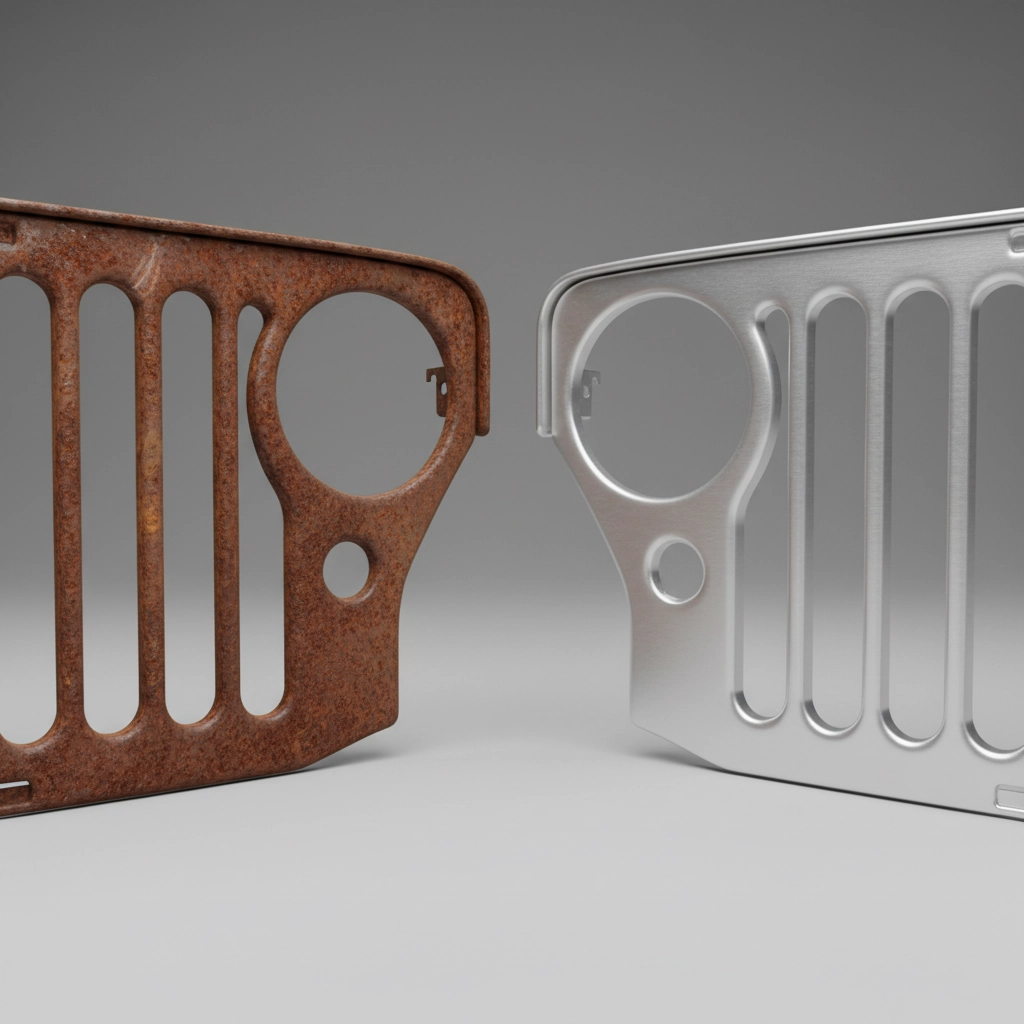
Let me lay this out straight - here's how these options stack up:
Authenticity: Vintage wins hands down. No contest.
Durability: Modern reproductions take this one. Better materials and coatings mean longer life.
Cost: Reproductions are generally more affordable, especially for rare models.
Availability: Reproductions again - they're actually in stock when you need them.
Investment Value: Originals appreciate, reproductions depreciate.
Maintenance: Modern materials require less babying.
Matching Your Choice to Your Build
For the Concours Crowd
If you're building a trailer queen for show competition, original is the only way to go. Judges know what to look for, and authenticity matters. Yes, you'll pay premium prices and hunt for months, but that's the price of perfection.
Daily Driver Builds
This is where reproductions really shine. Better corrosion resistance, consistent quality, and you won't cry if some parking lot hero dings your grill. The improved materials handle daily use better than 70-year-old steel ever could.
Budget Builds
Quality reproductions offer the classic look without breaking the bank. Focus on reputable manufacturers who use appropriate materials and maintain historical accuracy. Your wallet will thank you.
Off-Road Warriors
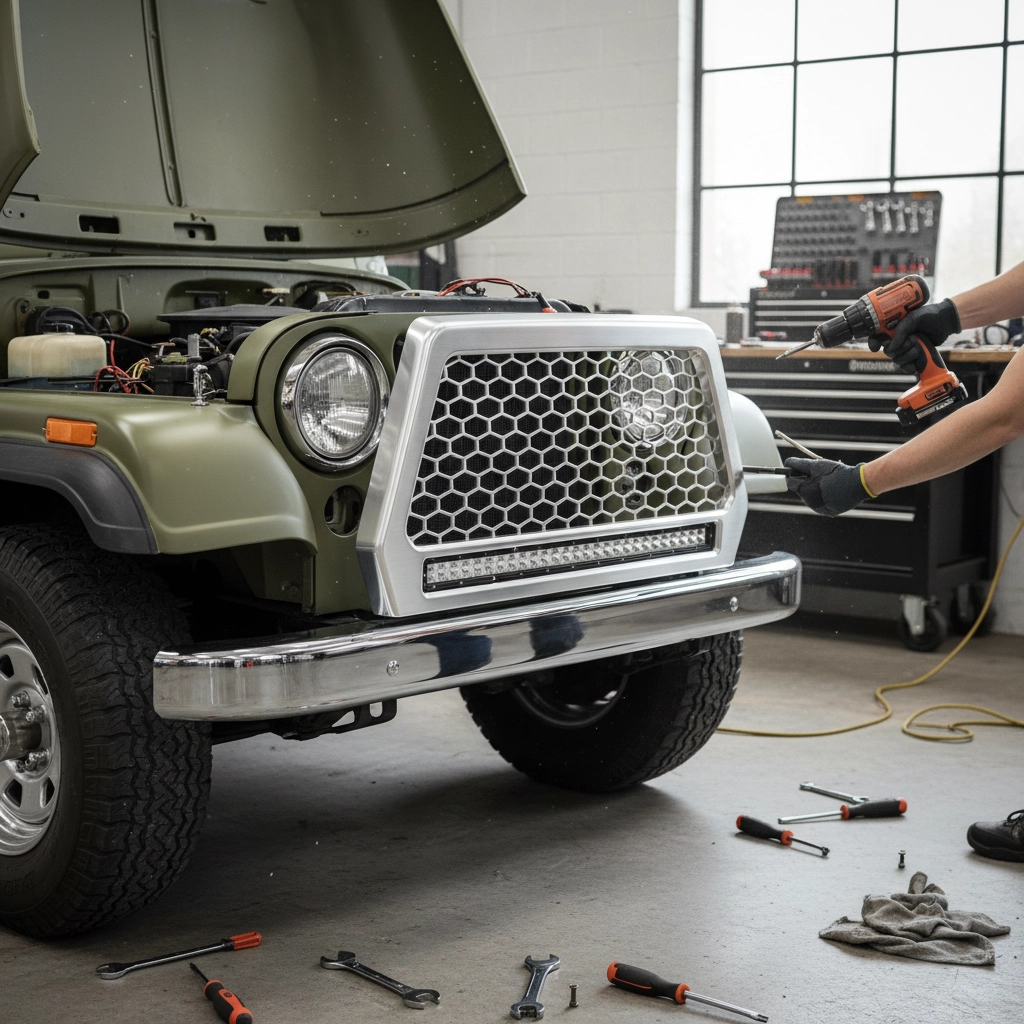
Modern aluminum reproductions are tough to beat here. They handle impacts better, won't rust out in stream crossings, and when something does happen, replacement parts are a phone call away.
The Bottom Line
Look, I've restored enough Jeeps to know there's no perfect answer here. Both vintage originals and modern reproductions have their place in the Jeep world.
If authenticity is everything and budget isn't a concern, hunt down that original piece. The satisfaction of having genuine history on your ride is hard to beat. But if you want something that'll look great, perform better, and won't require constant maintenance, a quality reproduction makes serious sense.
The key is being honest about your goals. Are you building a museum piece or a daily driver? Show truck or trail rig? Your intended use should drive your choice.
At Jeep City, we've seen both paths work beautifully. Check out our rare vintage collection for authentic pieces, or browse our reproduction options for modern durability.
Whatever route you choose, remember - every restored Jeep is a victory against time and rust. Whether you go vintage or modern, you're keeping these iconic machines on the road where they belong.
The grill might be the face of your Jeep, but the heart is in the restoration itself. Choose what makes sense for your build, your budget, and your dreams. That's what the Jeep community is all about.
Leave a comment